Collecting DNA Samples for Infidelity DNA Testing
How to Collect Non-Standard Samples for Infidelity DNA Testing
When it comes to infidelity DNA testing, the strength of your results depends not only on the laboratory analysis but on how evidence is collected, preserved, and submitted. Unlike standard cheek swab DNA testing, infidelity cases may require non-standard sample types such as clothing, bedding, towels, tissues, or personal items that may contain biological material. Getting these samples right is essential to producing accurate and reliable DNA evidence.
This guide from DNAAnswers.com explains which types of samples can be used, how to collect them properly, and the steps you need to follow to protect the integrity of the evidence.
What Is Non-Standard Sample Collection in Infidelity DNA Testing?
Infidelity DNA testing goes beyond cheek swabs to analyze biological material found on items suspected of containing evidence of another person’s DNA. These items may carry traces of bodily fluids or skin cells, which can be indicative of intimate contact or shared use.
Common tests you may choose include:
Semen Detection — identifies traces of semen on clothing, sheets, or fabrics
Saliva Detection — finds saliva residue on items like towels or glasses
DNA Extraction and Comparison — compares unknown DNA from a sample to a known reference to determine whether it belongs to a specific person
Complete DNA Extraction and Comparison — which integrates semen detection into DNA extraction and comparison analysis for the most detailed insight
Non-standard samples often require more careful collection and handling than standard cheek swabs, but when done correctly, they can provide powerful evidence.
Types of Non-Standard Samples That Can Be Used
When standard cheek swab samples are not available or you want to analyze items for evidence of contact, a wide range of non-standard samples can be tested.
Common Forensic Sample Types
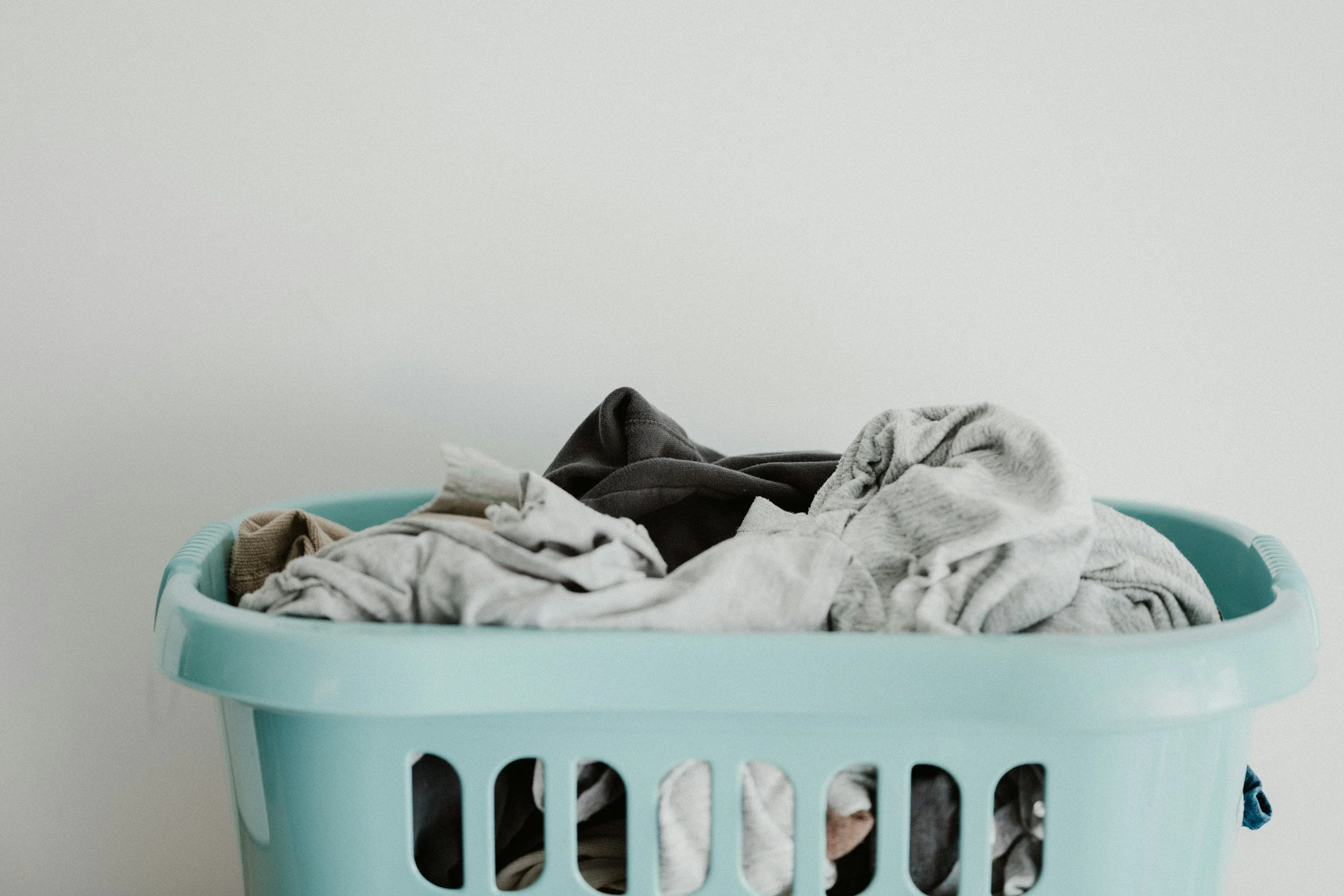
Clothing & Bedding: Shirts, underwear, bed sheets, or pillowcases may contain semen or saliva.
Underwear & Personal Fabrics: Often high-yield areas for bodily fluids.
Used Tissues & Towels: May retain saliva or skin cells.
Condoms: Provide direct access to semen samples.
Hair with Root Attached: Excellent source of DNA if root is intact.
Cigarette Butts & Chewing Gum: Contain saliva and skin cells useful for testing.
Toothbrushes: Contain saliva and epithelial cells.
Feminine Hygiene Products: May contain biological material useful for testing.
Each sample type varies in how much DNA it may contain and how quickly it degrades. Items exposed to moisture, heat, or sunlight may break down more rapidly, so careful handling and timely submission are key.


Step-by-Step: How to Collect and Prepare Non-Standard Samples
Proper collection, handling, and packaging are critical to preserving DNA evidence and avoiding contamination. Follow these best practices every time:
1. Minimize Handling
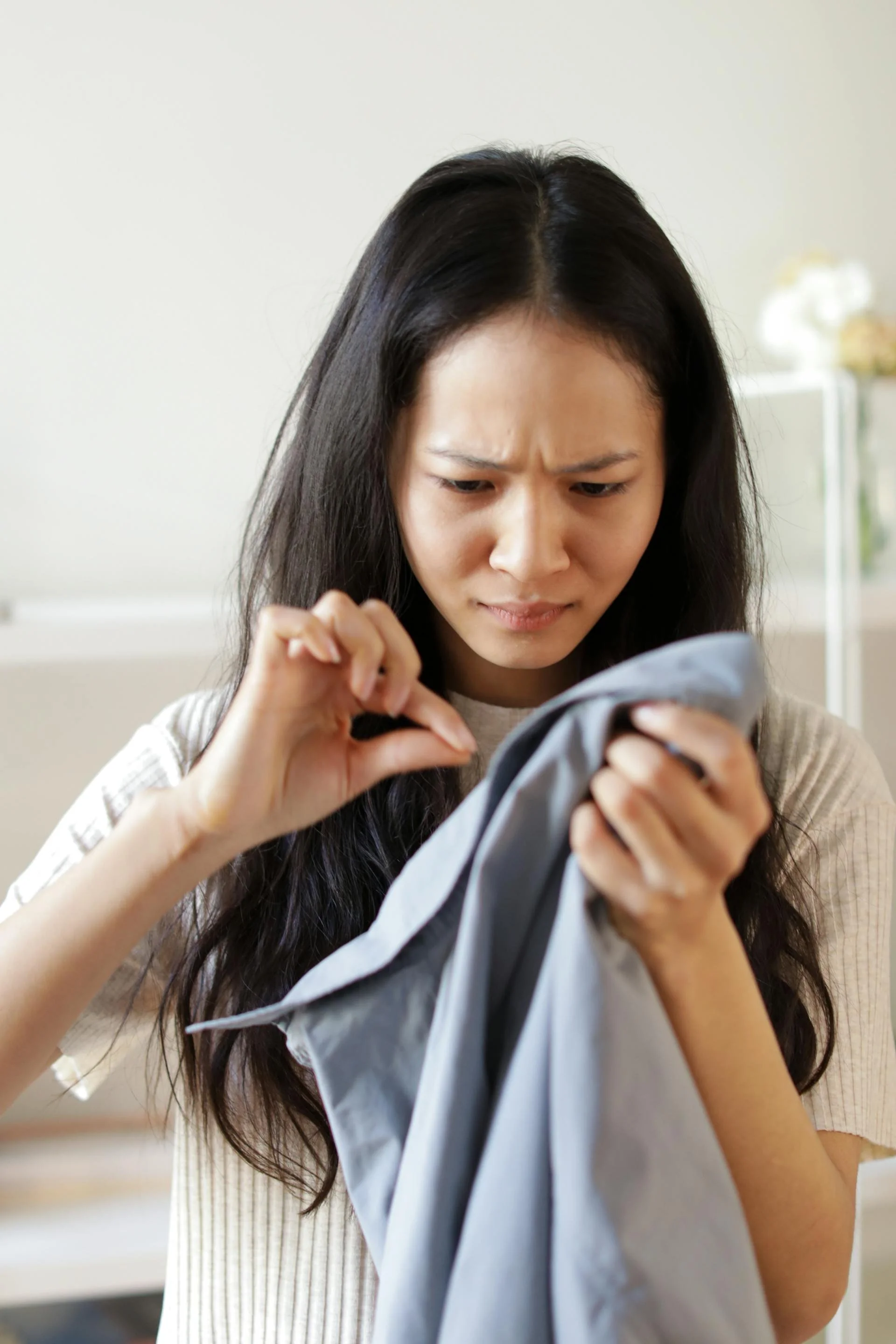
Avoid touching any sample with bare hands. Always use clean gloves and, if possible, tweezers or clean tools when handling items to prevent contamination with your own DNA.
2. Air-Dry Fluid Samples
If an item contains bodily fluids such as semen or saliva, allow it to air-dry completely before packaging. Trapped moisture can promote bacterial growth, which can degrade DNA and make it unusable by the lab. Do not use heat elements, such as hair dryers or heaters, to dry the sample.
3. Use Paper Envelopes, Not Plastic
Store each sample in a paper envelope rather than plastic bags. Plastic traps moisture, increasing the risk of bacterial growth and DNA degradation. Label each envelope with:
Description of the item
Date of collection
Where you want the lab to focus their efforts
Any relevant context for the sample
4. Cut Large Items if Needed
If the entire garment or sheet is too large to send, carefully cut out the stained area with at least one inch of extra fabric around it to retain the evidence and avoid losing crucial material.
5. Keep Items Separate
Place each item in its own labeled envelope. This prevents cross-contamination, which can lead to confusing or inconclusive results.
Packaging and Shipping Your Samples
Once you have collected and labeled all non-standard and biopsy samples, you are almost ready to send them to the lab.
Here’s how to package and ship for the best results:
Compile all labeled envelopes into a larger shipping envelope or sturdy box.
Seal securely and use a trackable shipping service such as USPS, FedEx, or UPS.
Avoid extreme temperatures during transit. Store in a cool, dry place until shipment.
If submitting unusual forensic samples (like toothbrushes or hair), contact the lab first for any special instructions.
Sending samples promptly helps preserve DNA quality. The longer evidence sits, especially in suboptimal conditions, the greater the risk of degradation.
Tips for Best Results with Non-Standard Samples
Collect multiple samples when possible. More evidence increases the odds of a usable DNA profile.
Document everything clearly. Label items with dates, locations, and any observations.
Avoid plastic bags. Paper packaging is essential to prevent moisture buildup and bacterial growth.
Do not wash, dry, or clean stained items. Washing can remove or dilute DNA evidence.
Understanding DNA Stability and Longevity
DNA can last for varying periods depending on the item type and storage conditions:
Fabric (clothing, sheets): Can retain DNA for months or even years if kept dry and cool.
Hair with root attached: May preserve viable DNA for years.
Toothbrushes & gum: Saliva DNA may last weeks to months, but degrades faster if exposed to bacteria.
Used tissues and condoms: Can degrade faster, especially when moist or in warm conditions.
Prompt collection and submission dramatically improve your chances of successful DNA extraction. However, DNA can last for month or ears if stored correctly.
Choosing the Right Infidelity DNA Test
Not all infidelity testing is the same. Depending on the evidence available, you may choose:
Semen Detection Test — to confirm the presence of semen on an item
Saliva Detection Test — to confirm saliva residue
DNA Extraction and Comparison Test — to extract DNA from a sample and compare an unknown profile to a known reference sample
Complete Infidelity DNA Test — which integrates detection and DNA comparison analysis for the most detailed insight
Selecting the right test for your situation can make a significant difference in how informative your results are.
Final Thoughts
Collecting non-standard samples for infidelity DNA testing requires care, precision, and attention to detail. By following the steps above, you protect the integrity of your evidence and give your case the best chance of yielding accurate, reliable results.
Proper collection, storage, and timely submission of samples increase the likelihood of a conclusive DNA report you can trust.
If you have questions about which items to collect or how to handle them, contact DNAAnswers.com for guidance before submission. We are here to help you through every step of the process.
